Day 3 of Breakpoint 2026 was built for execution. After two days of keynotes, debates, and product launches, the final day gave engineers and QA practitioners the technical blueprints to act on what they had heard. Two intensive masterclasses ran across the morning. Fourteen lightning talks ran alongside them, ten minutes each, practitioner to practitioner, covering everything from building mobile use agents with open-source models to why AI still cannot replace the judgment that testing actually requires.
The Masterclasses
Master AI Testing: Join the Top 1%
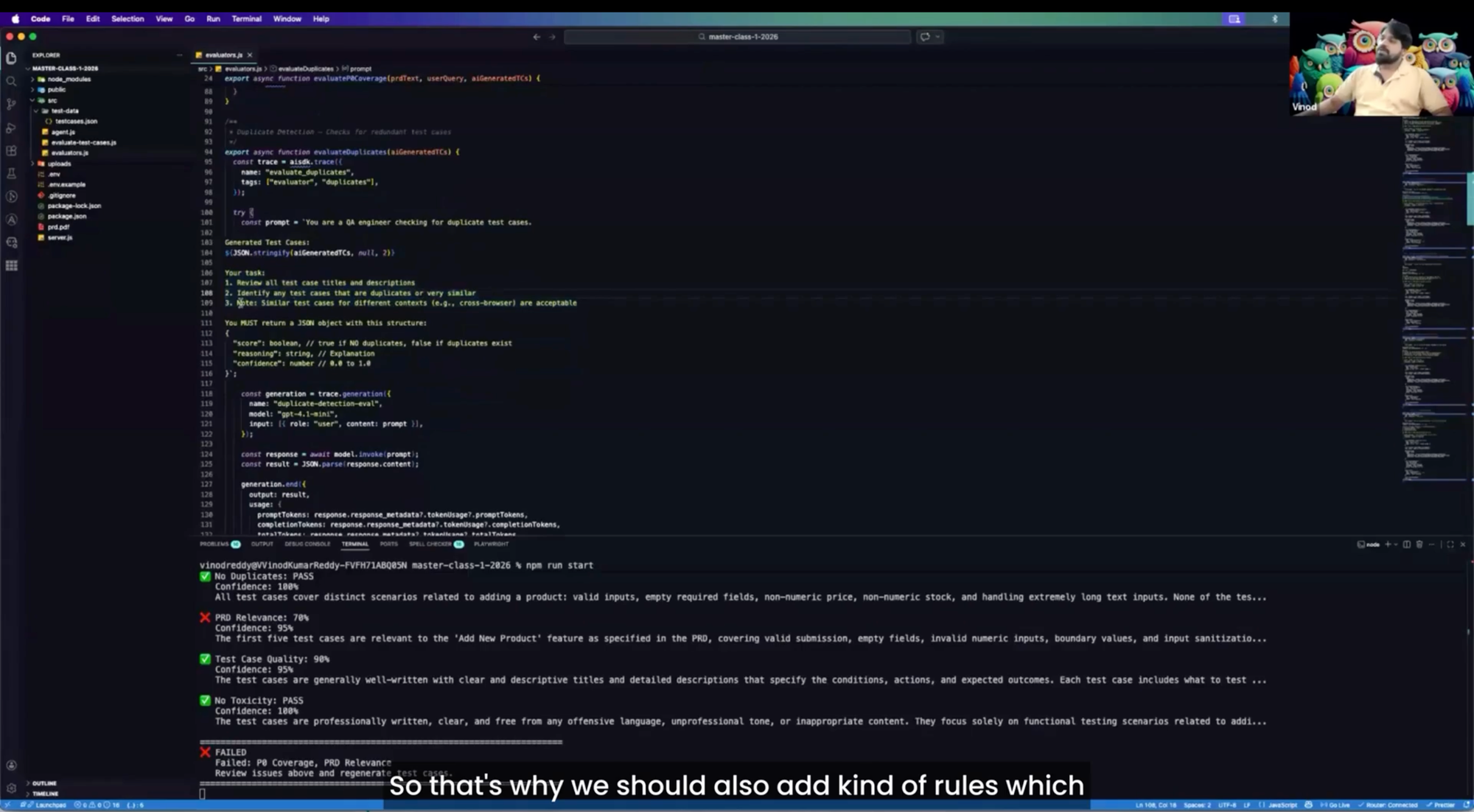
This was the deep end. The session moved past basic ChatGPT experimentation into the mechanics of building and deploying autonomous test generation agents from scratch. Using LangChain and CrewAI as foundational frameworks, the masterclass walked through how to integrate custom agents into existing testing ecosystems like Selenium, Playwright, and Cypress, turning fragile test suites into self-healing architectures.
The most technically demanding section tackled AI's biggest practical challenge: non-determinism. Attendees left with working techniques for flexible assertions, RAG-based validation, and observability tooling to trace and debug every autonomous decision an agent makes.
Master QA's Next Shift: MCP-Powered Testing
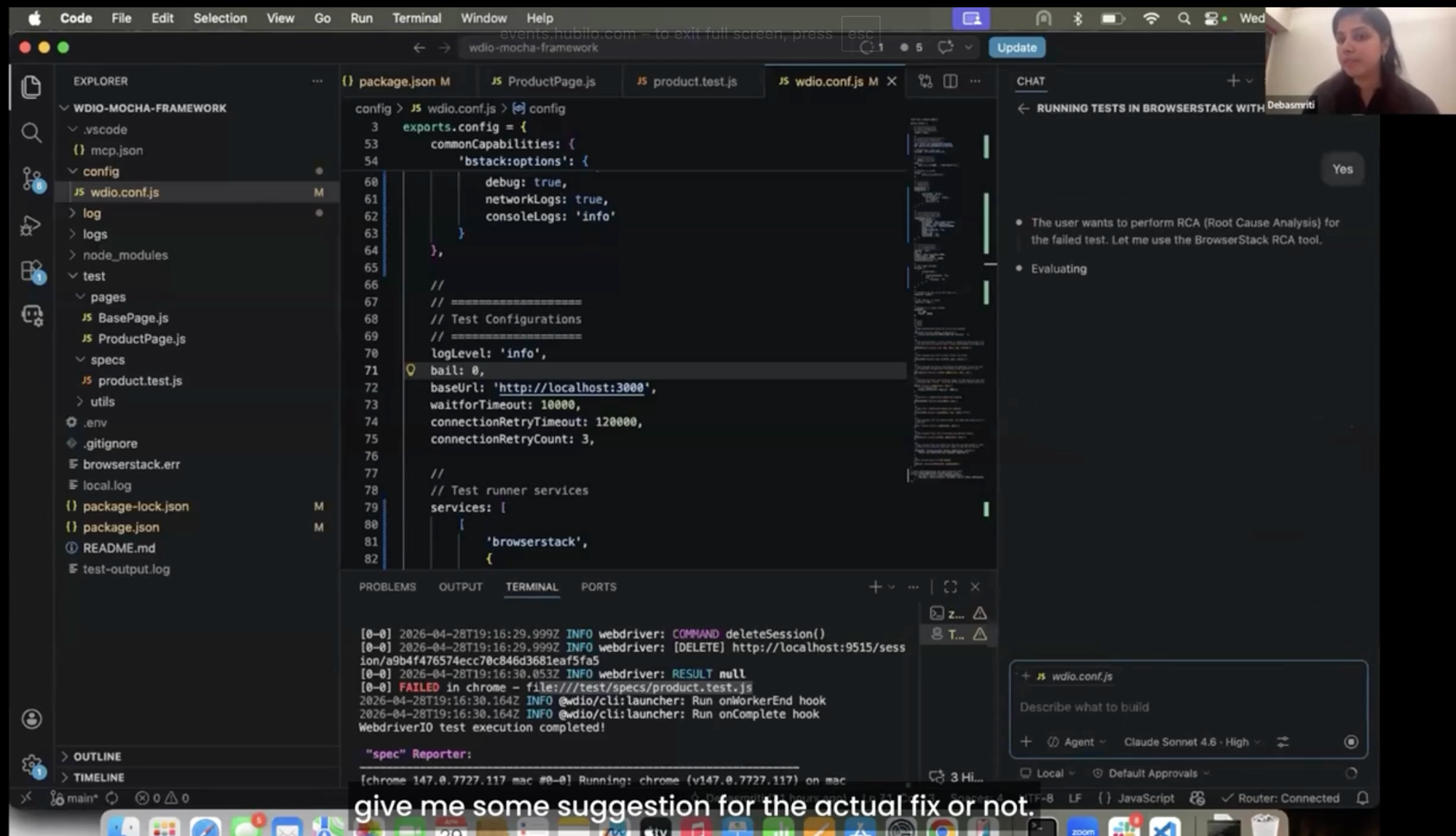
The second masterclass addressed a problem most QA teams recognise: crucial context is scattered across Jira, Figma, GitHub, and CI/CD pipelines, and pulling it together for root-cause analysis wastes time that compounds across every sprint. The session showed how the Model Context Protocol (MCP) acts as a bridge across those fragmented tools, and walked attendees through building production-ready MCP workflows from scratch in VSCode with GitHub Copilot and BrowserStack. The practical output: faster debugging, automated test case generation from context, and a replicable workflow for reducing release risk. Watch it for a hands-on blueprint to MCP that goes beyond theory.
The Lightning Talks
4 Nuggets on Automating AI Evaluation
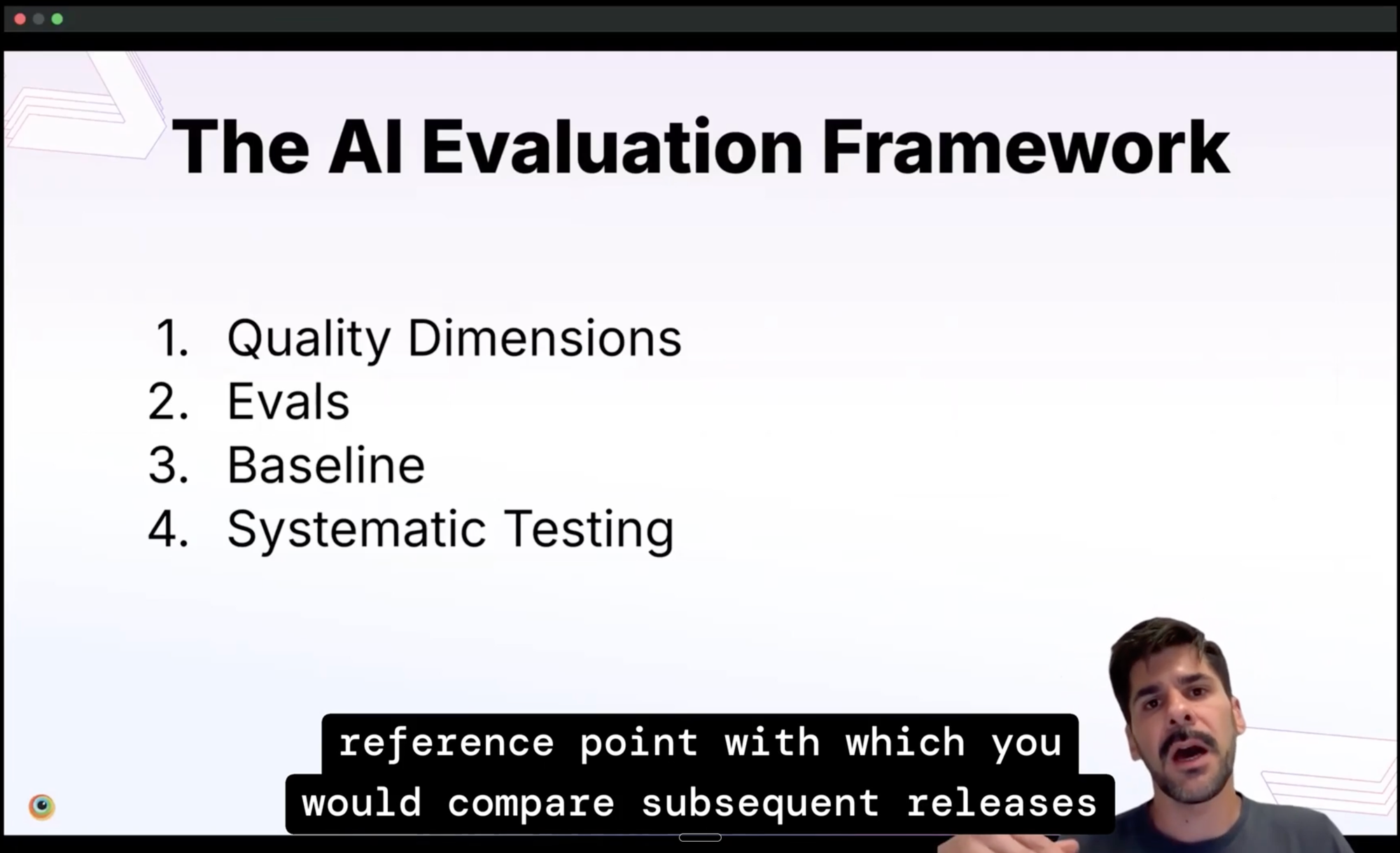
In non-deterministic systems, manual "vibe checks" don't scale. Elias Pardo shared four hard-earned lessons on turning a 4-hour evaluation process into a 30-minute automated pipeline, covering failure modes, tooling choices, and how to codify human judgment without losing what makes it useful.
A Developer's Love Letter to QA
After 15 years on both sides of the bug report, Bob Fornal, Senior Solutions Developer at Leading EDJE, explored what makes the Dev/QA relationship both essential and exhausting. He unpacked the root causes of cross-team conflict and made the case for reframing QA feedback as a collaborative act rather than a verdict, with practical communication strategies for teams stuck in that cycle.
NL to Mobile Actions: Building an Open-Source Mobile Use Agent with LangGraph, Qwen VL, and Appium
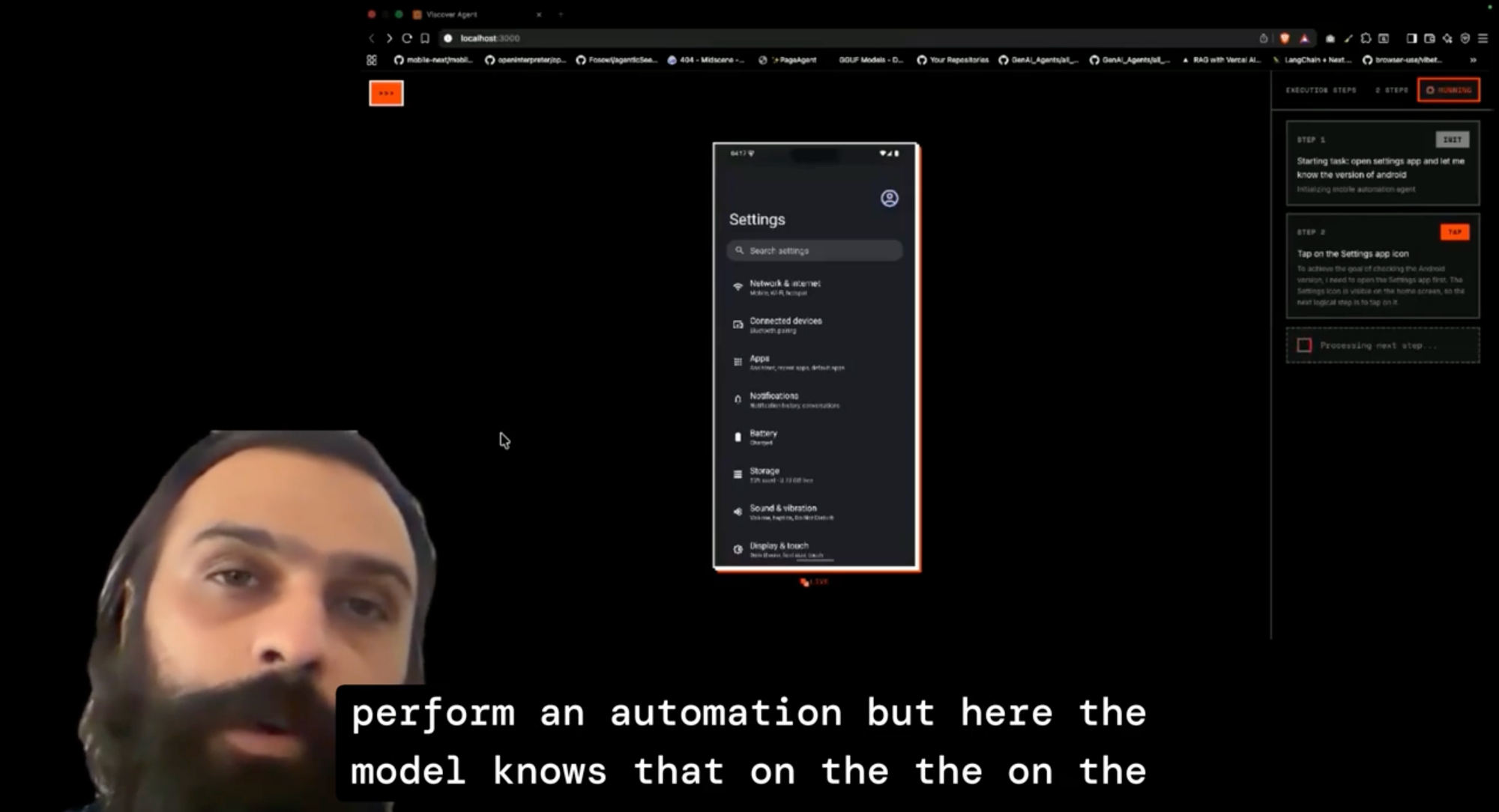
Ahmad Waqar, Lead Engineer at FYI.ai, built a mobile use agent that takes plain English instructions and executes them autonomously on real Android and iOS devices, with no proprietary LLMs and no API key required. He walked through the three-pillar architecture powering it: LangGraph for stateful orchestration, Qwen vision and language models served locally via Ollama, and Appium for actual device interaction, along with an honest look at how open-source vision models actually perform against proprietary alternatives.
Stop Experimenting with AI, Start Shipping It!
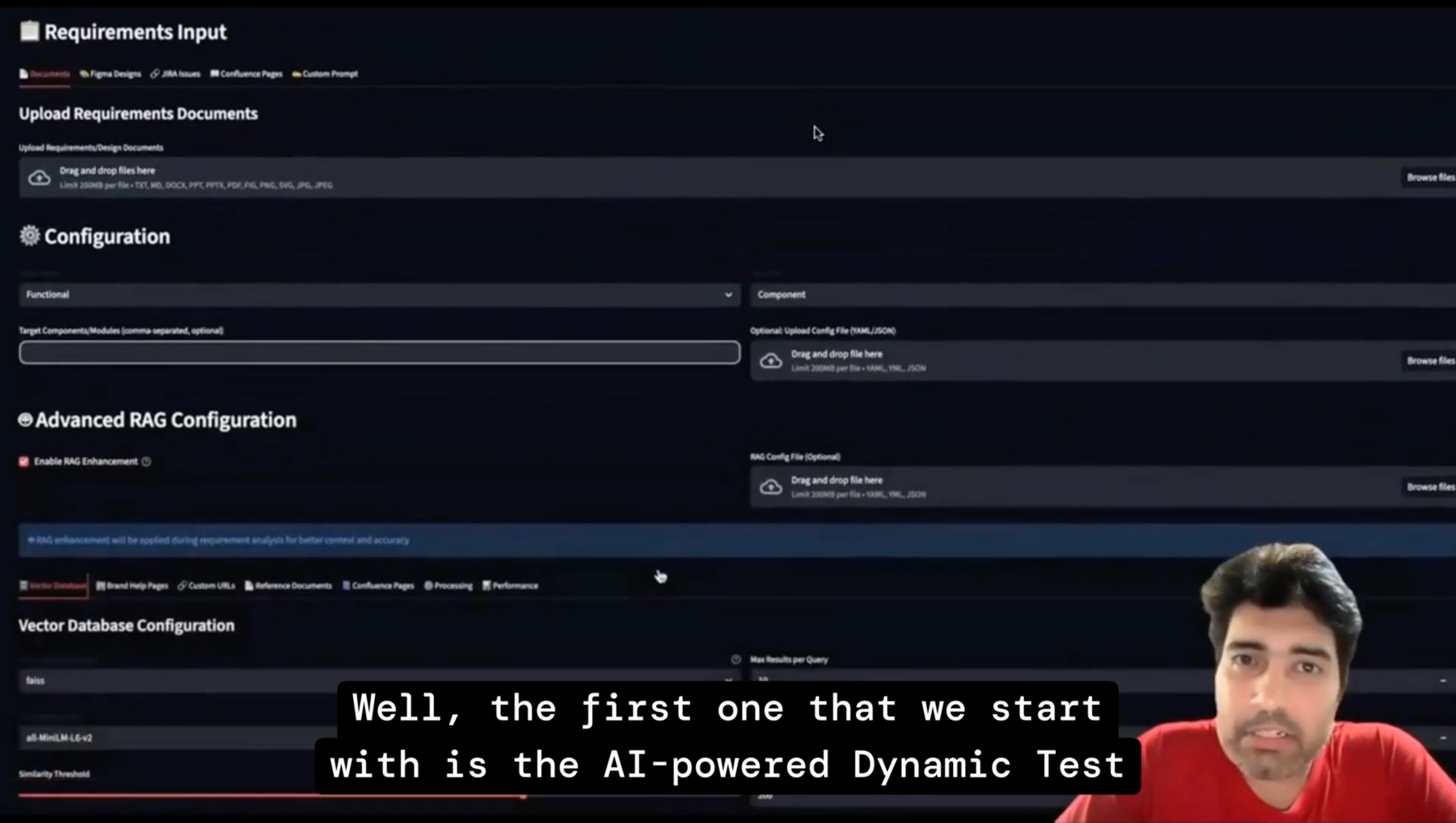
Siddhant Wadhwani, SDET Manager and Head at Newfold Digital, started with one problem: slow test case creation. Five months later, that became ATLAS AI, a RAG-enabled engineering copilot used daily across testing, development, and product teams. He shared the architectural decisions that made it scalable, the two features that drove overnight adoption, and the mistakes that nearly derailed the project, all wrapped in a concrete "Start Small, Scale Fast" framework.
Shift Left is Old. Are You Doing Shift Smart?
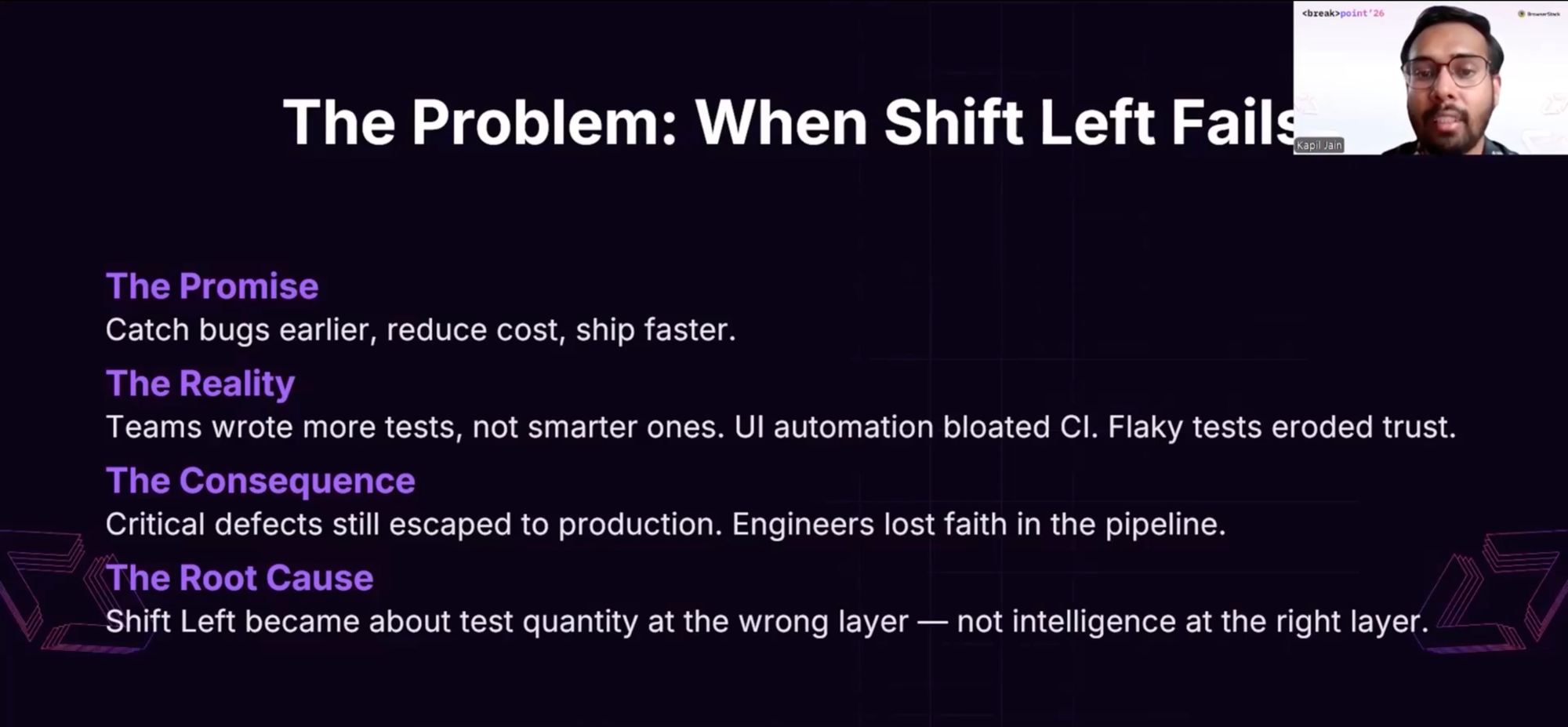
Kapil Jain, QA Automation Engineer at PayPay India, team tested early and still shipped critical defects to production. His diagnosis: shift-left without prioritisation just means more tests, not better ones. He introduced Shift Smart, a pipeline restructuring that moved from UI-heavy upfront automation to API-first validation and contract testing, then showed the defect leakage and deployment stability numbers before and after.
Quality Is Not a Metric — It's a Business Signal
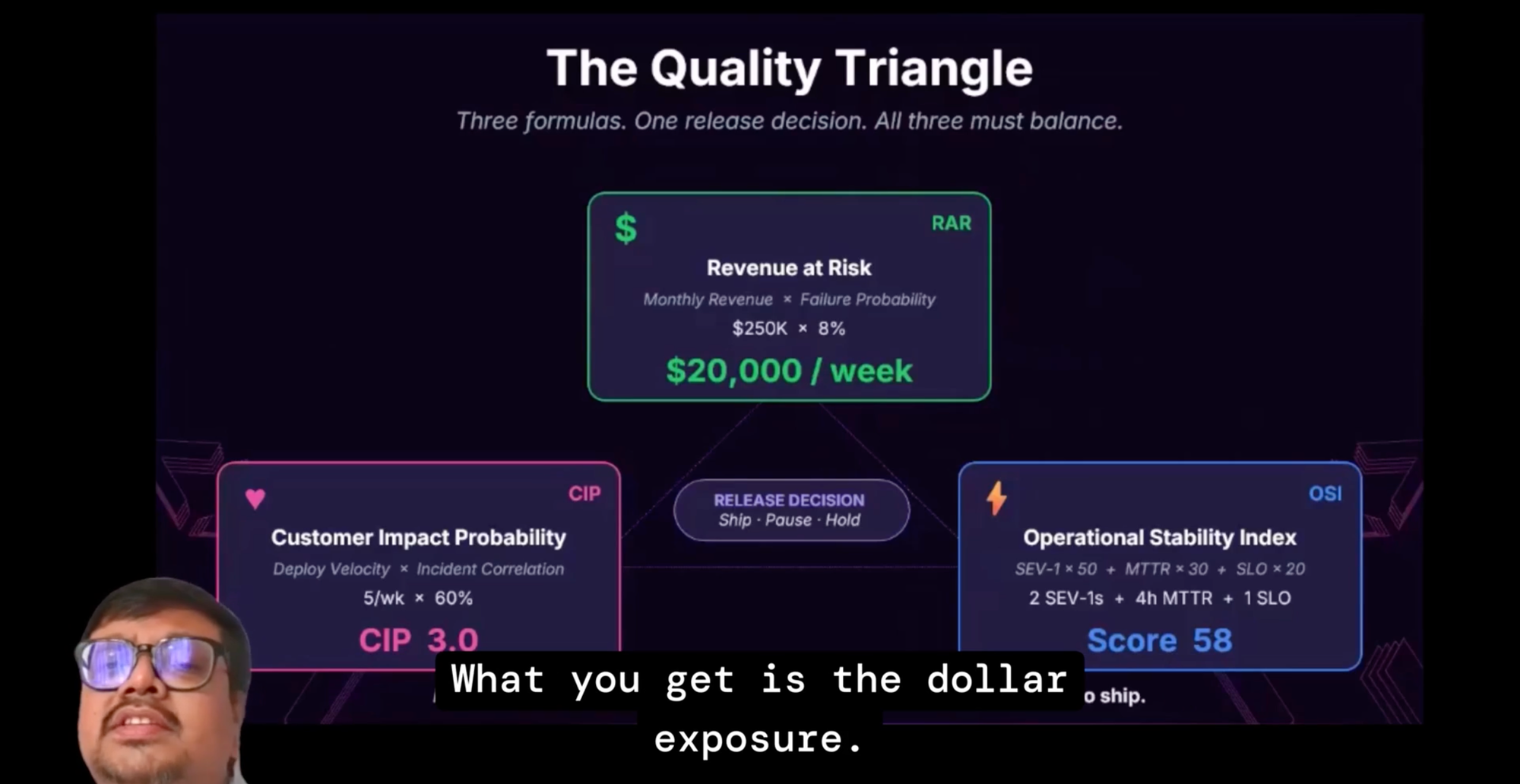
Boards fund confidence and risk control, not test coverage percentages. Soumen Deb, Director at LTIM, introduced a three-layer translation framework for converting raw engineering telemetry (flaky rates, escaped defects, test failures) into board-ready signals like Revenue at Risk and Customer Impact Probability, with a one-page executive snapshot template and a six-week pilot plan to get started on just two critical business flows.
From Bug Hunters to Risk Managers
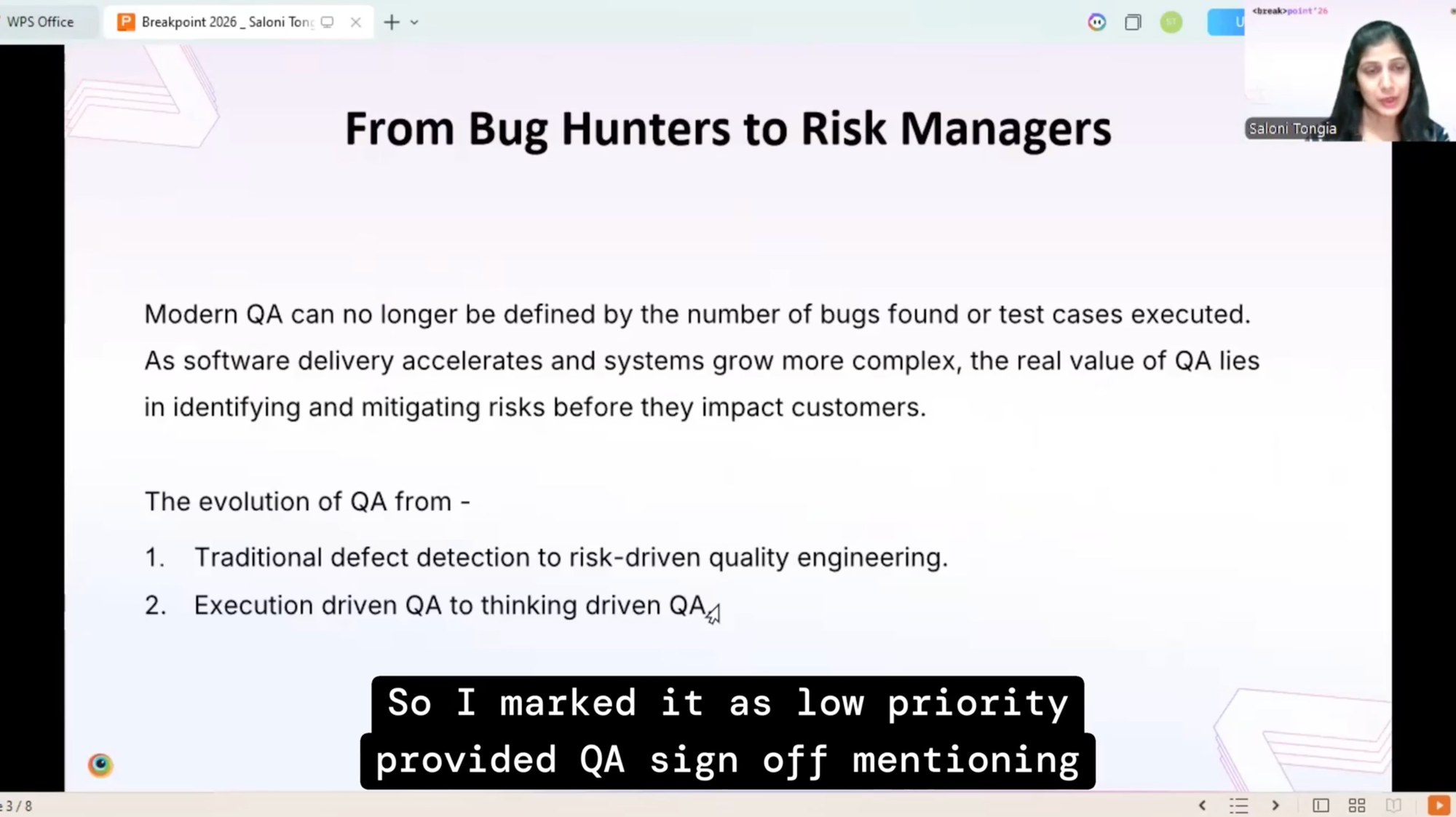
Modern QA's value is no longer measured by bugs found or test cases run. Saloni Tongia, Lead QA Engineer at InfoBeans, made the case for QA teams repositioning as risk advisors, with practical guidance on building risk awareness, strengthening stakeholder trust, and turning quality engineering into a function that shapes release decisions rather than just reports on them.
Symbiosis Between the Community and the Individual
Mirza Sisic, QA Consultant at TestOps, made the case that the relationship between a tech community and its members runs both ways: neither thrives without the other doing the work. He shared how attending and organising tech meetups helped him move past social shyness and build lasting professional confidence, and why active participation delivers returns that passive membership never does.
Smart Testing with Playwright Network Interception
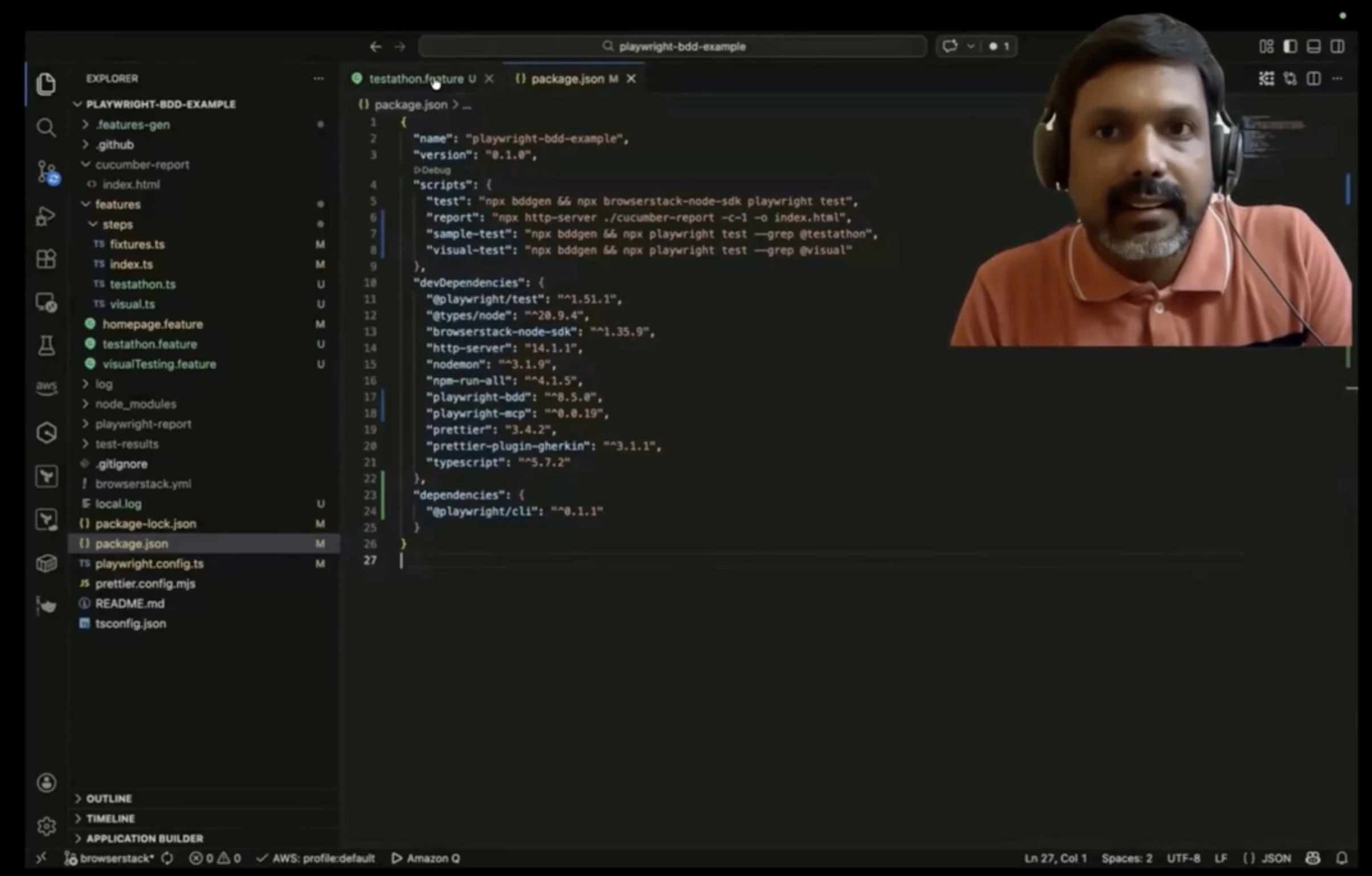
Waiting on real backend responses and managing third-party dependencies makes test suites slow and unreliable. Vijayaraghavan Vashudevan, QA Specialist at Natwest Group, demonstrated how Playwright's network interception capabilities (filtering API responses, blocking unnecessary resources, mocking backends) create deterministic test environments that run faster and break less, without depending on backend availability.
Building Automation Suites with AI, Avoiding Its Seduction
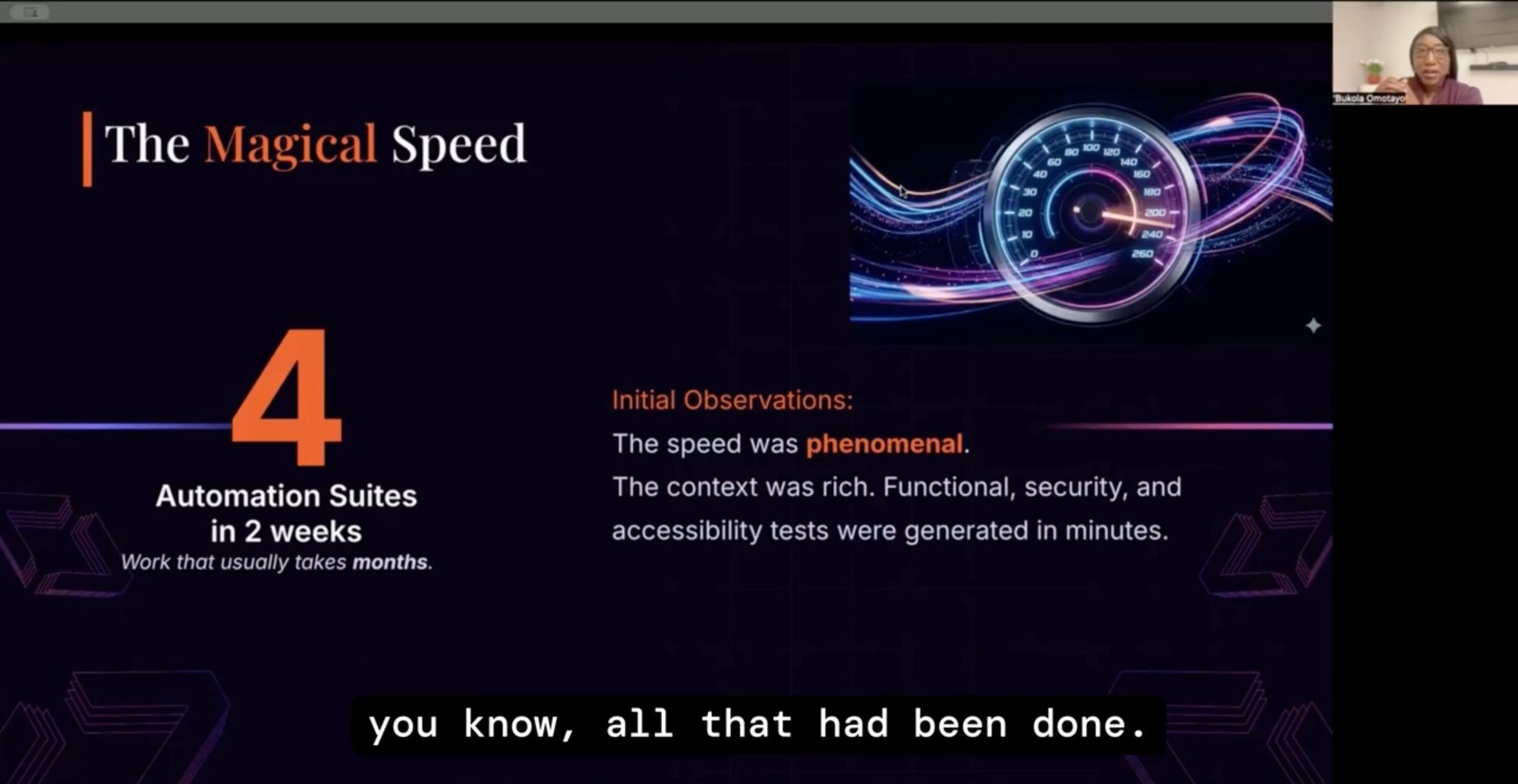
Olubukola Omotayo, Director of Software and Quality Assurance at Home Trumpeter, built four complete automation suites using AI coding agents, covering functional UI testing, accessibility, and security, and came away with a clear conclusion: AI is a skill amplifier, not a replacement for judgment. The session covered where AI genuinely accelerates automation, where it cannot assess risk based on dynamic context, and why its greatest danger is what it convinces you to stop questioning.
The "Verifier" Pattern: Why Autonomous Agents Fail in QA and How to Fix Them
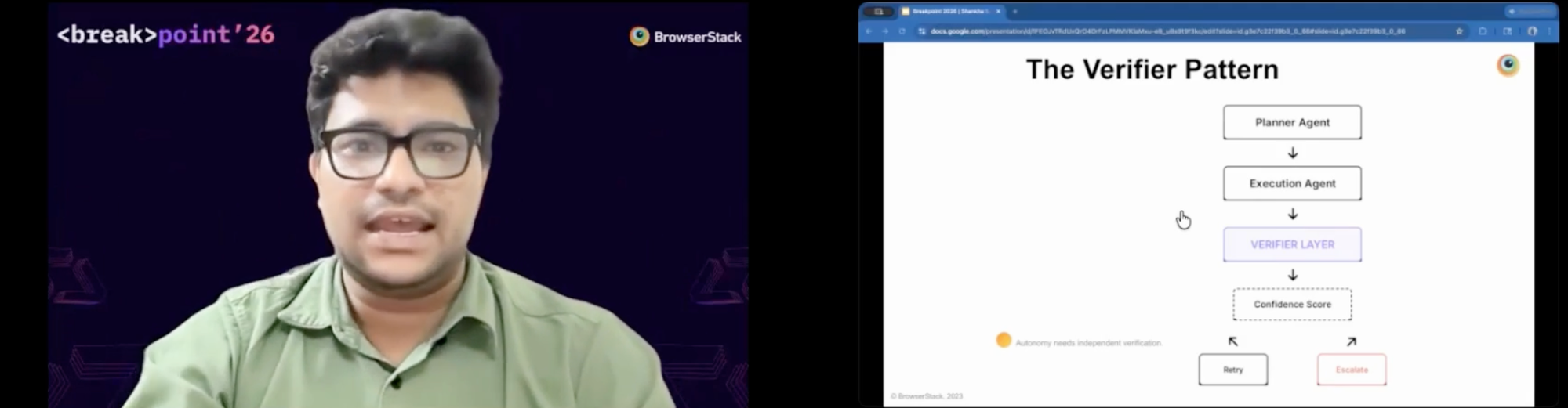
Most LLM agents writing tests fail because they are treated as black-box creators, and "mostly correct" is not good enough in high-stakes engineering. Shankha Subhra Bagchi, Vice President at Blackrock, introduced the Verifier Pattern: a decoupled architecture where a generator agent is governed by a separate, constraint-based verification layer. The practical outcome is a self-healing loop that moves QA from human-in-the-loop to human-on-the-loop, cutting AI debt and maintenance overhead in the process.
Multi-Agent Swarms for Autonomous Edge-Case Discovery
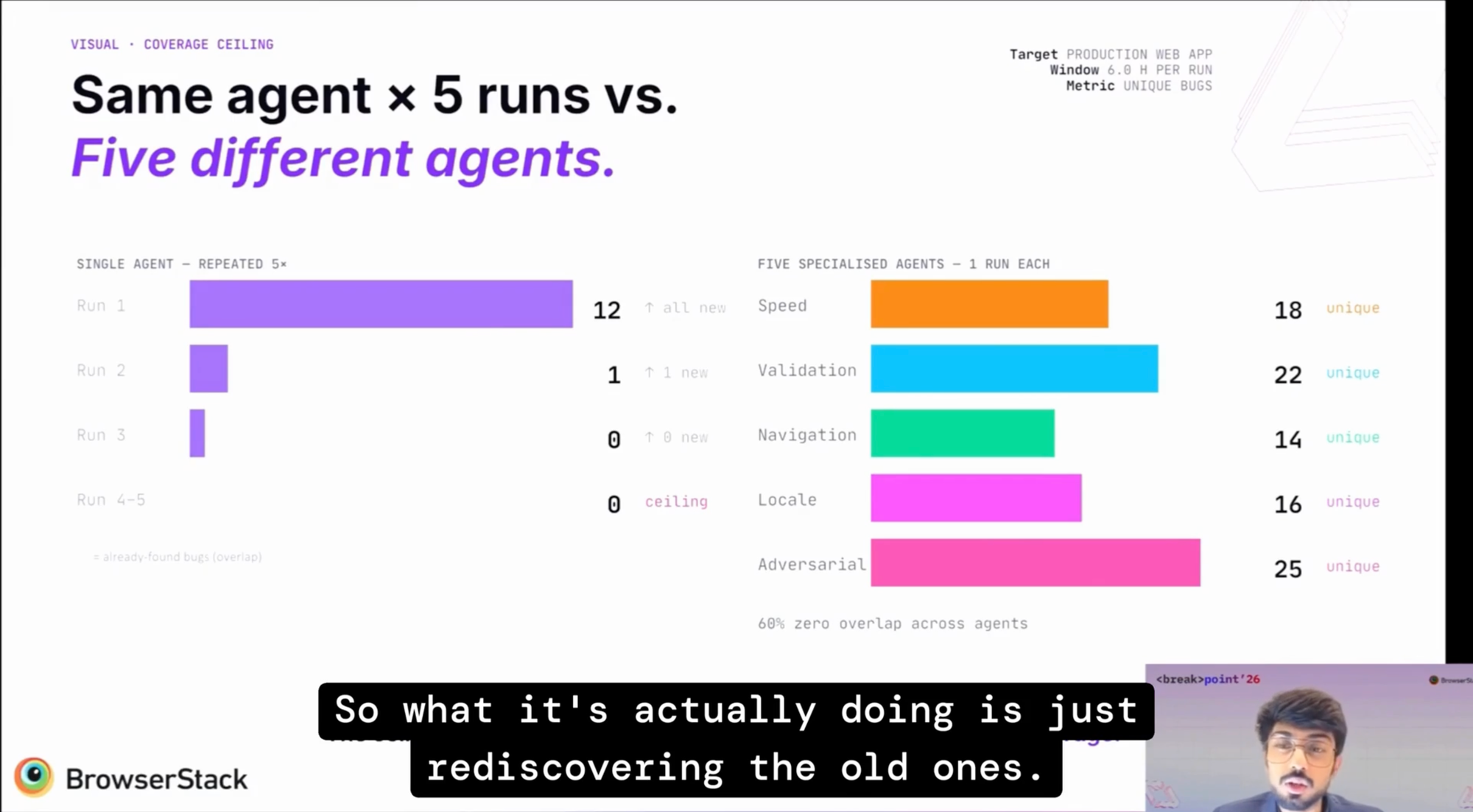
Standard automation tests what you already know to look for. Ishan Katoch demonstrated what happens when you turn a multi-agent framework loose on a production UI with the sole objective of breaking it. He walked through a QA Swarm architecture with three specialised agent roles: an Explorer to map DOM state, an Attacker to inject chaotic inputs, and an Observer to log exactly when and how the system fails, and showed how to deploy the whole thing against your own staging environments.
From Manual to AI-Augmented
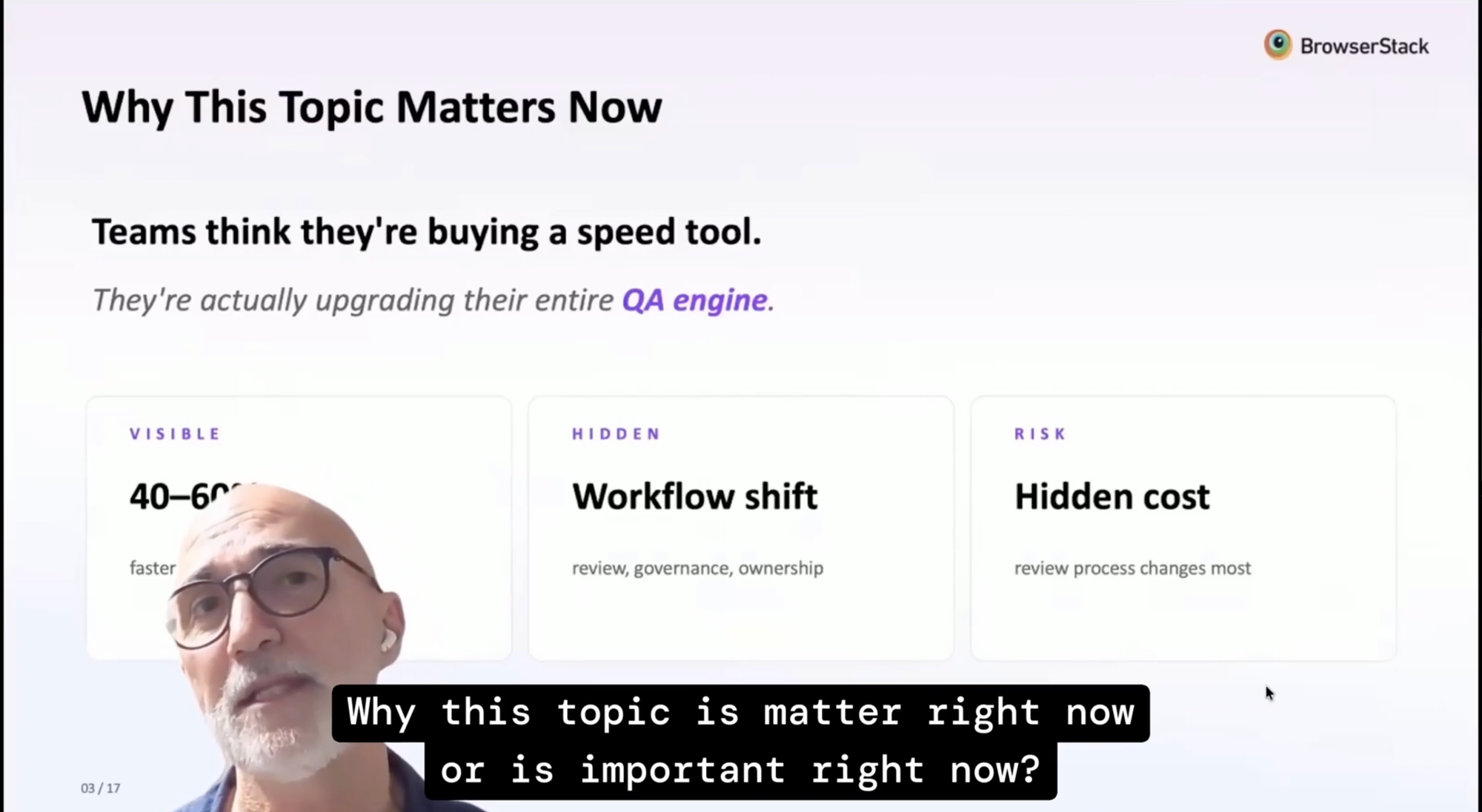
The shift from manual test design to AI-augmented coverage is already happening inside real engineering teams. Ricardo Cristalli walked through practical strategies for implementing AI augmentation without losing test quality, covering what the change actually means for how QA teams think about coverage, risk, and day-to-day test design decisions.
Build Your Own Testing Playground: How QAs Can Grow Automation Skills by Creating Simple Apps
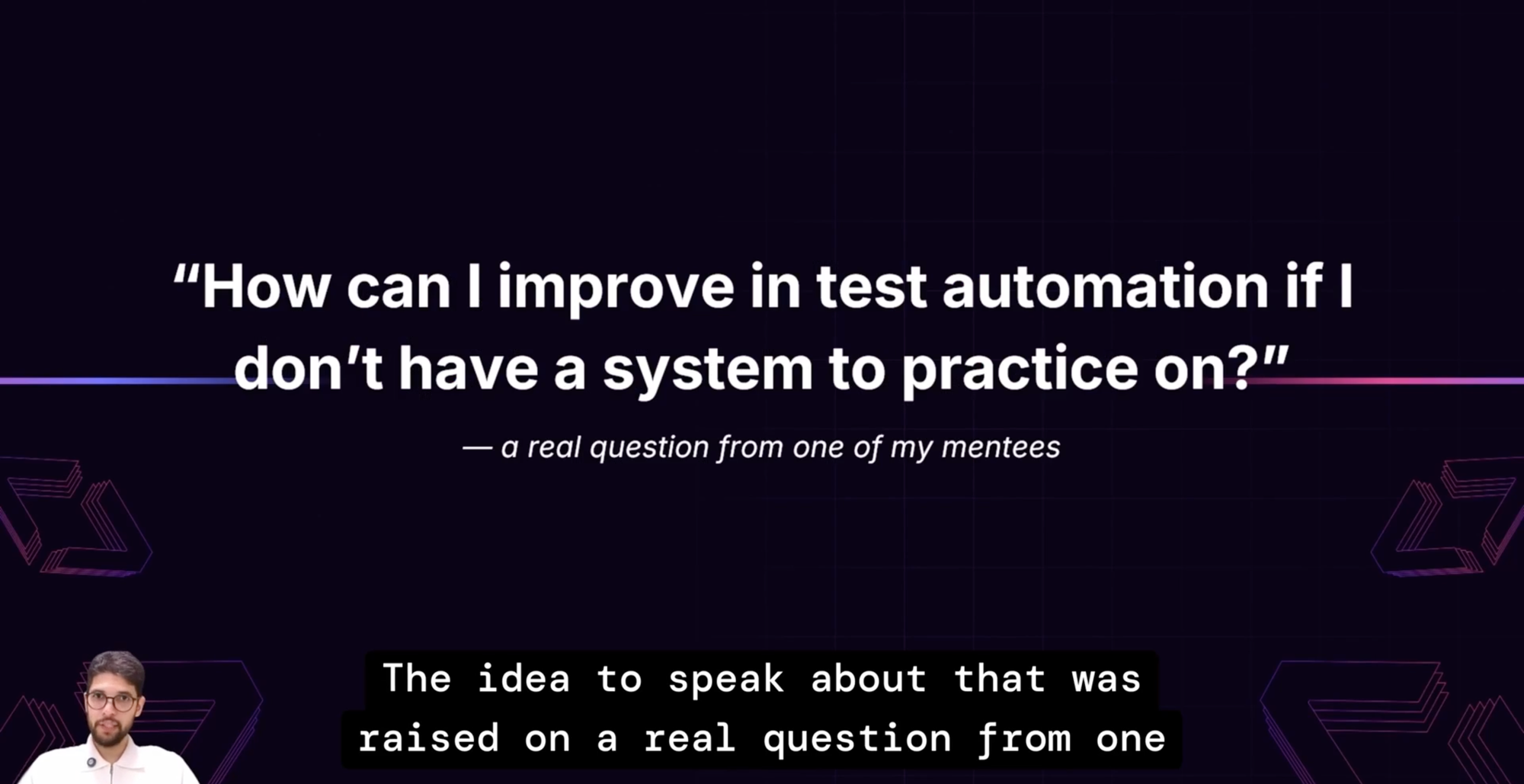
QA engineers who want to practice automation consistently hit the same wall: no stable system to test against. Bruno Nascimento de Figueiredo, QA Automation Engineer at Mestre QA, answer was to build one. A local API becomes a training ground for contract validation, error handling, and backend automation. A small frontend becomes a safe environment for UI selectors and end-to-end flows. He walked through a real student example and gave attendees a clear starting point they could act on the same day.
All Sessions Are Free to Watch
Day 3 delivered what the first two days set up: the technical detail to actually act on the vision. Two masterclasses gave engineers working architectures for production-grade AI testing. Fourteen practitioners shared what they built, what they measured, and where they drew the line on letting AI do the thinking for them.
That was Breakpoint 2026. Three days, across AI-native quality engineering, enterprise-grade proof, and practitioner blueprints. All sessions are free for registered attendees.

